Latest
-
Thorium
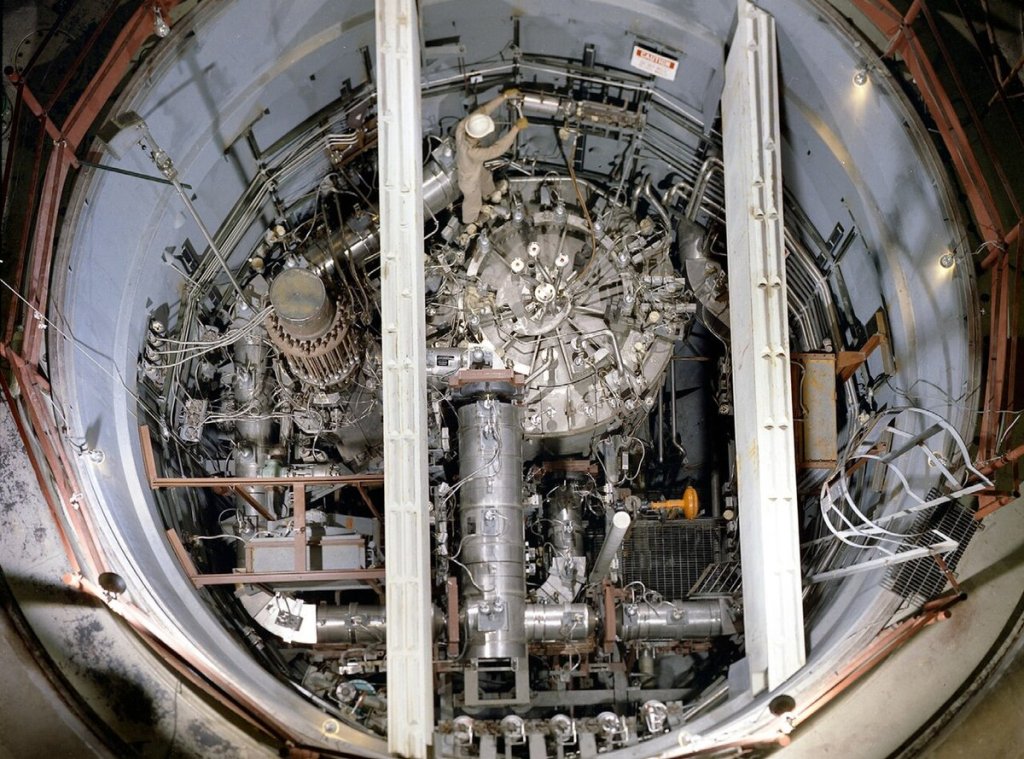
Thorium’s advantages are real, but they pay off only for a country with a particular need or a reactor built to use them, and that explains who is pursuing it today.
-
Beyond Five Percent
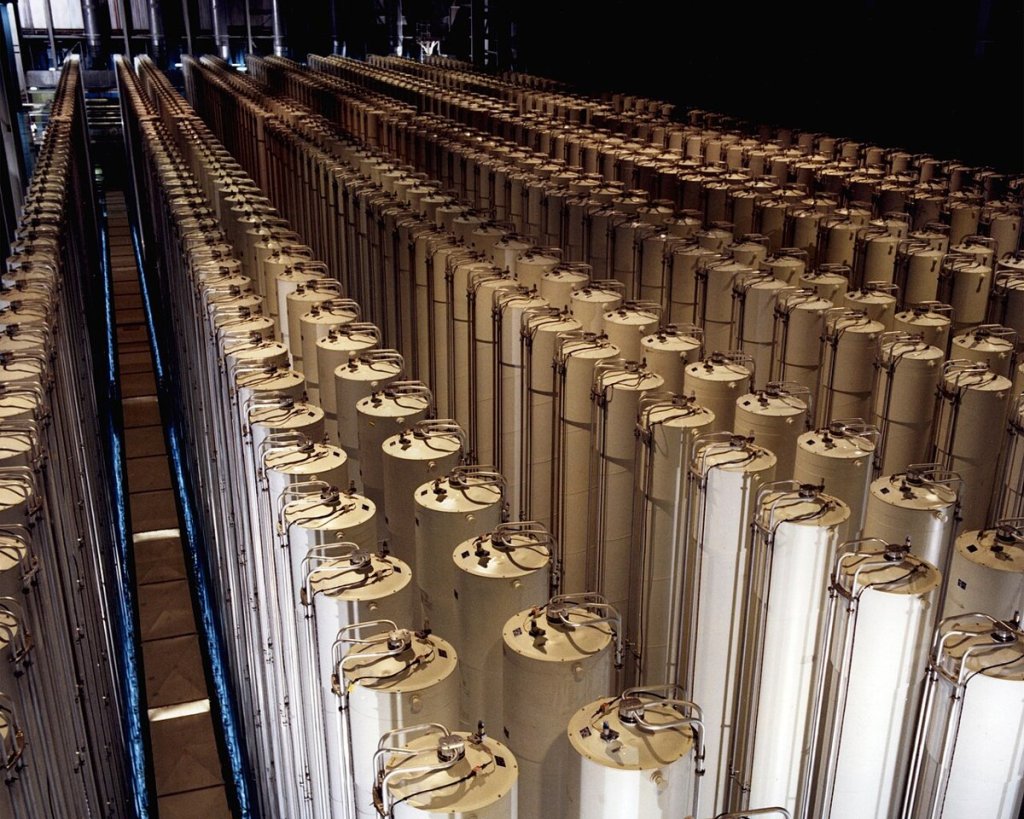
This article argues that the 5% U-235 limit on commercial reactor fuel reflects history rather than physics, and that the enrichment optimization should be rerun with today’s numbers.
-
The Path Forward
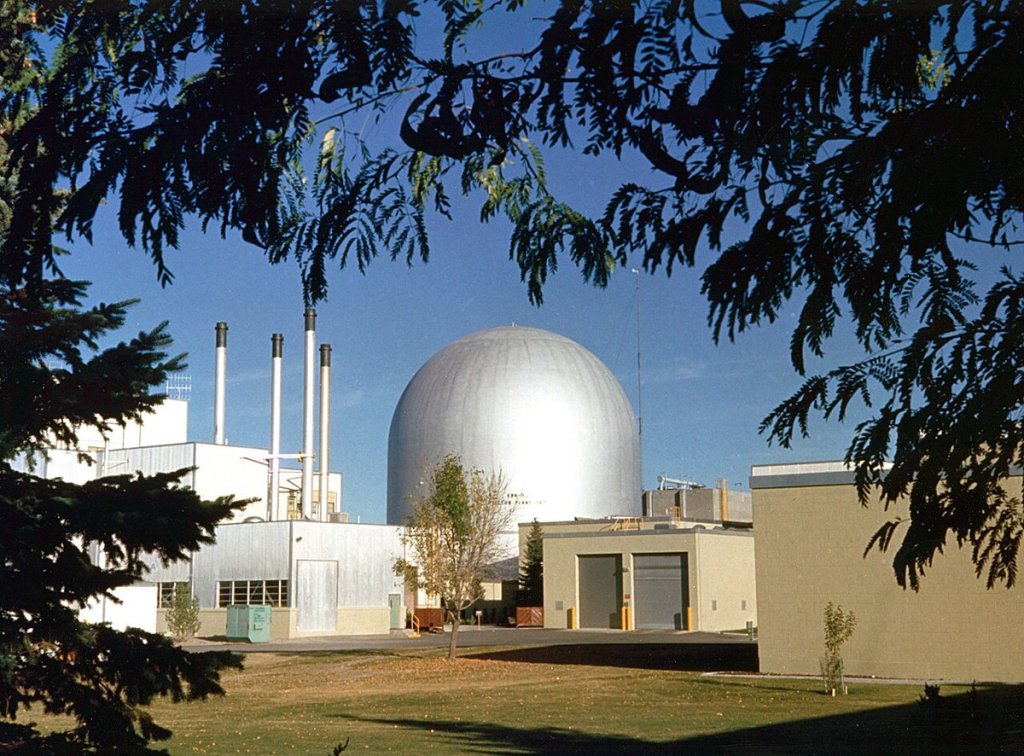
Chapters 26–27 set out documented commitments in today’s reactor pipeline, then the book’s four-stage roadmap toward a materially closed fuel cycle fed by material already above ground.
-
The Back End
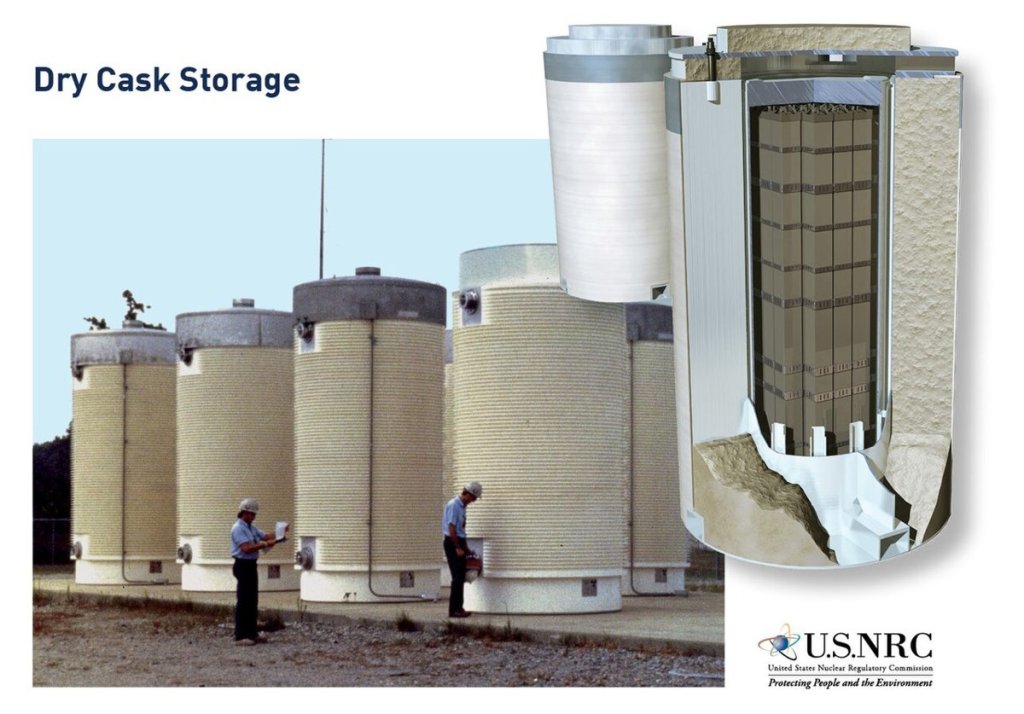
Chapters 13–16 follow spent fuel out of the reactor: what it contains, how reprocessing separates it, which fast reactors could burn it and what must still be isolated.
-
History and Policy
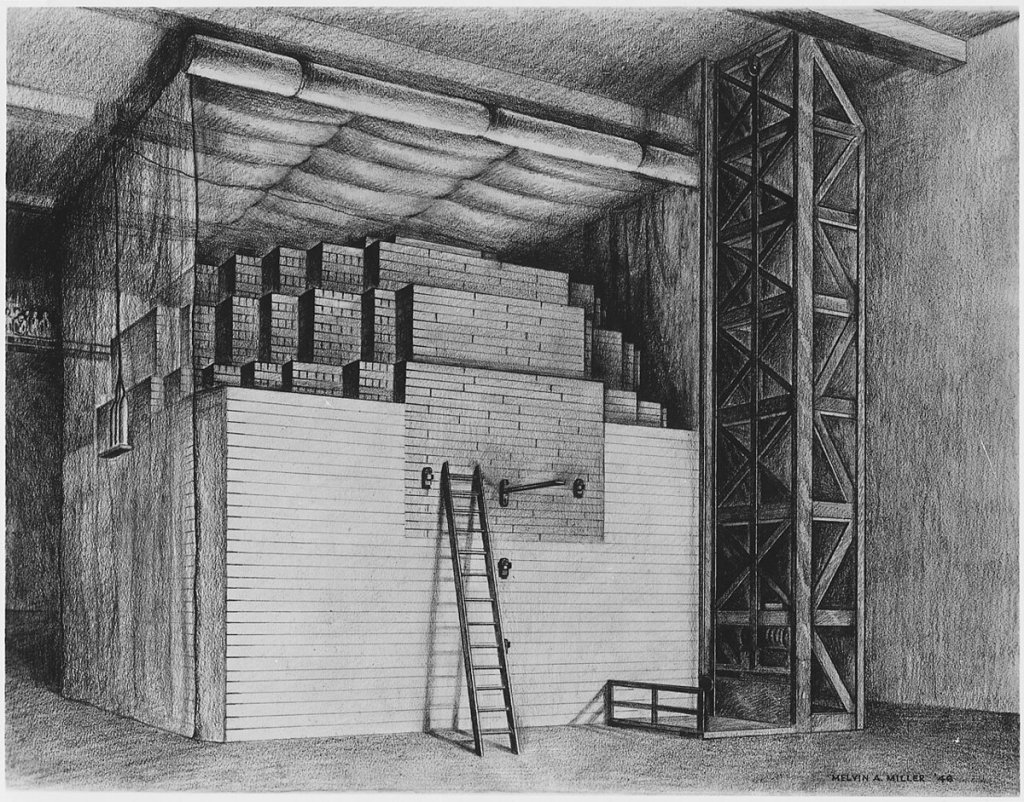
Chapters 22–25 trace the decisions behind today’s US nuclear industry, from the 1977 reprocessing deferral and Vogtle to new licensing rules, the scale arithmetic and AI-driven demand.
-
Adjacent Supply Chains
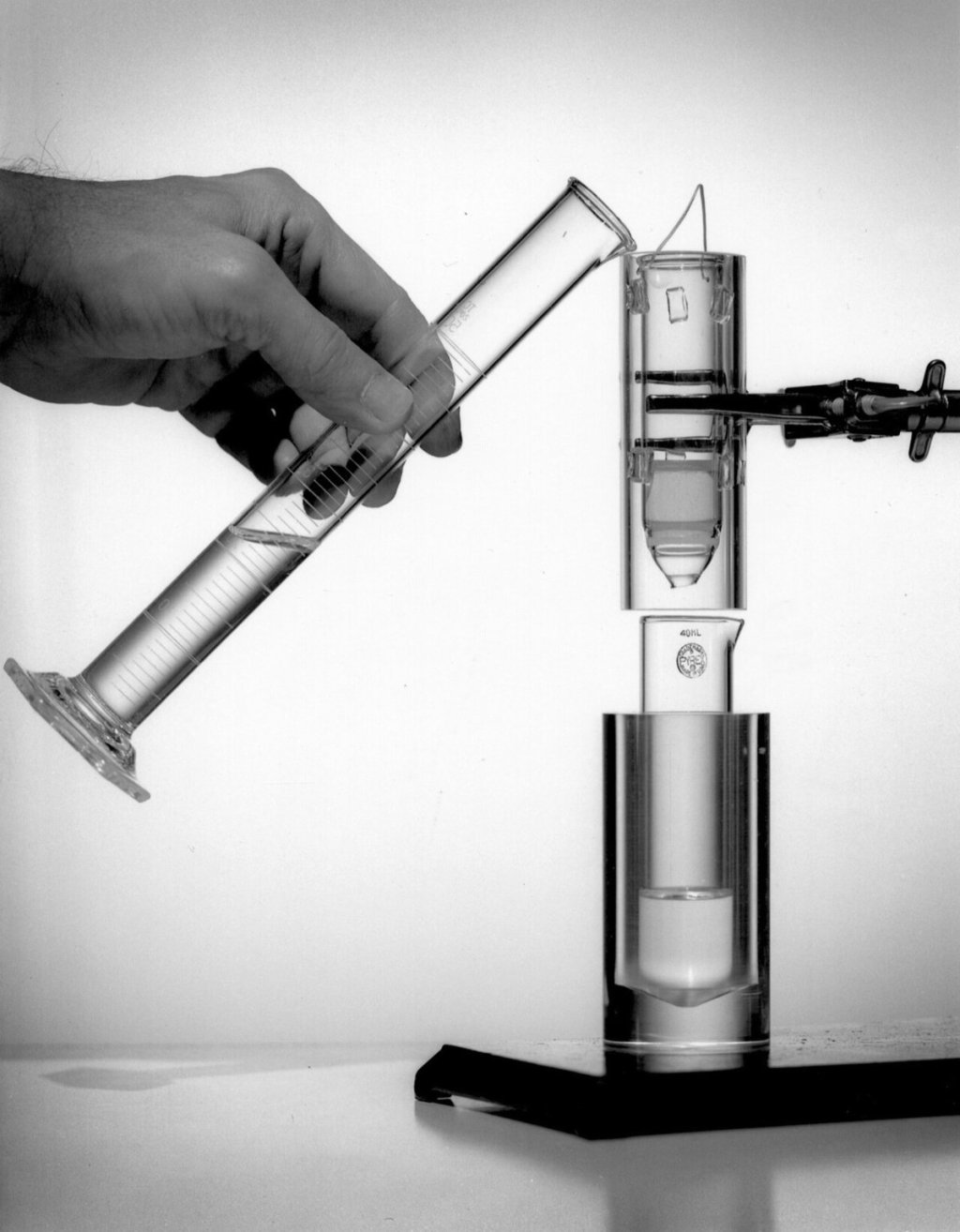
Chapters 17–21 examine five supply chains the standard fuel-cycle diagram leaves out: helium, medical and industrial isotopes, critical materials, the nuclear industrial base and the maritime frontier.
-
The Reactor
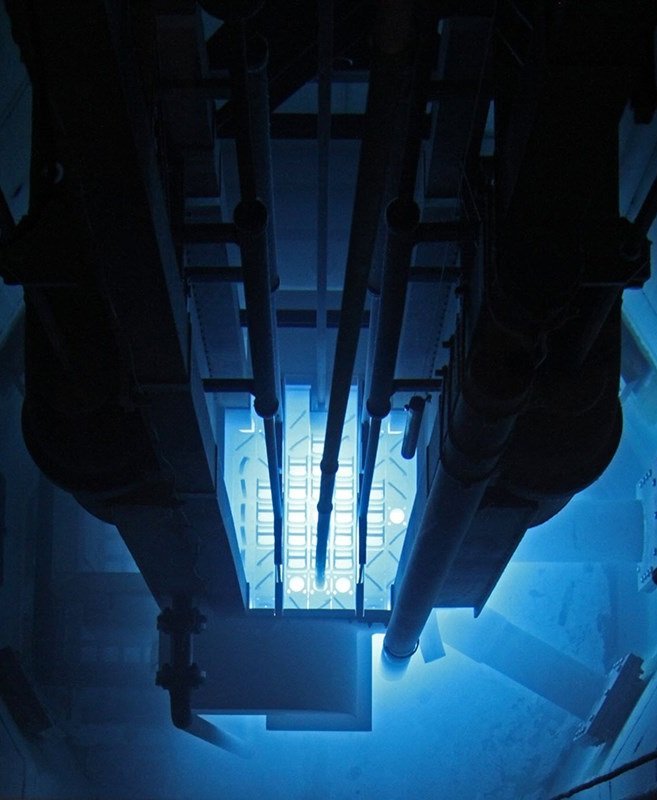
Chapters 8–12 explain how a chain reaction is sustained and controlled, how reactor designs evolved, what makes them safe and where the world’s roughly 440-reactor fleet stands.
-
The Front End
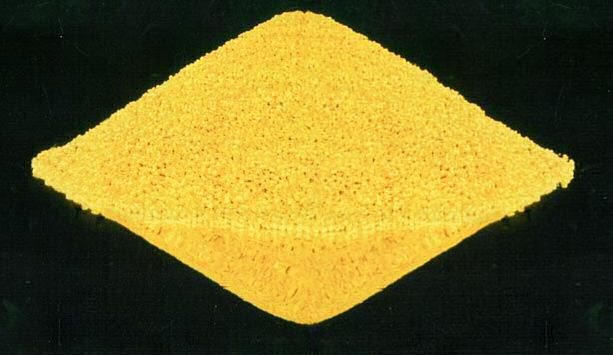
Chapters 4–7 follow uranium from ore to finished fuel assembly through mining and milling, conversion to UF₆, enrichment and fabrication, each a distinct industrial step.
-
Foundations
Chapters 1–3 cover what nuclear energy is physically, where uranium comes from and why the industry runs on 0.7% U-235 fuel inherited from weapons programs.
Spot an error? Suggest a correction

